“Why 1744?”
Besides “why are y’all so awesome,” it’s probably the question we get asked the most. And it’s a question we love to answer.
Because it’s our origin story. It’s where this awesome team started.
We’ve evolved since those days. Our team’s gotten bigger, and we moved fully remote. But, as they say, home is where the heart is, and a piece of our hearts will always be at 1744 Oak Avenue.
But the question got us thinking… What if it was the year we were established? What else would’ve been going on that year? What would have been the stories we needed to cover?
So, we did a little research.
In 1744, something quietly revolutionary was happening.
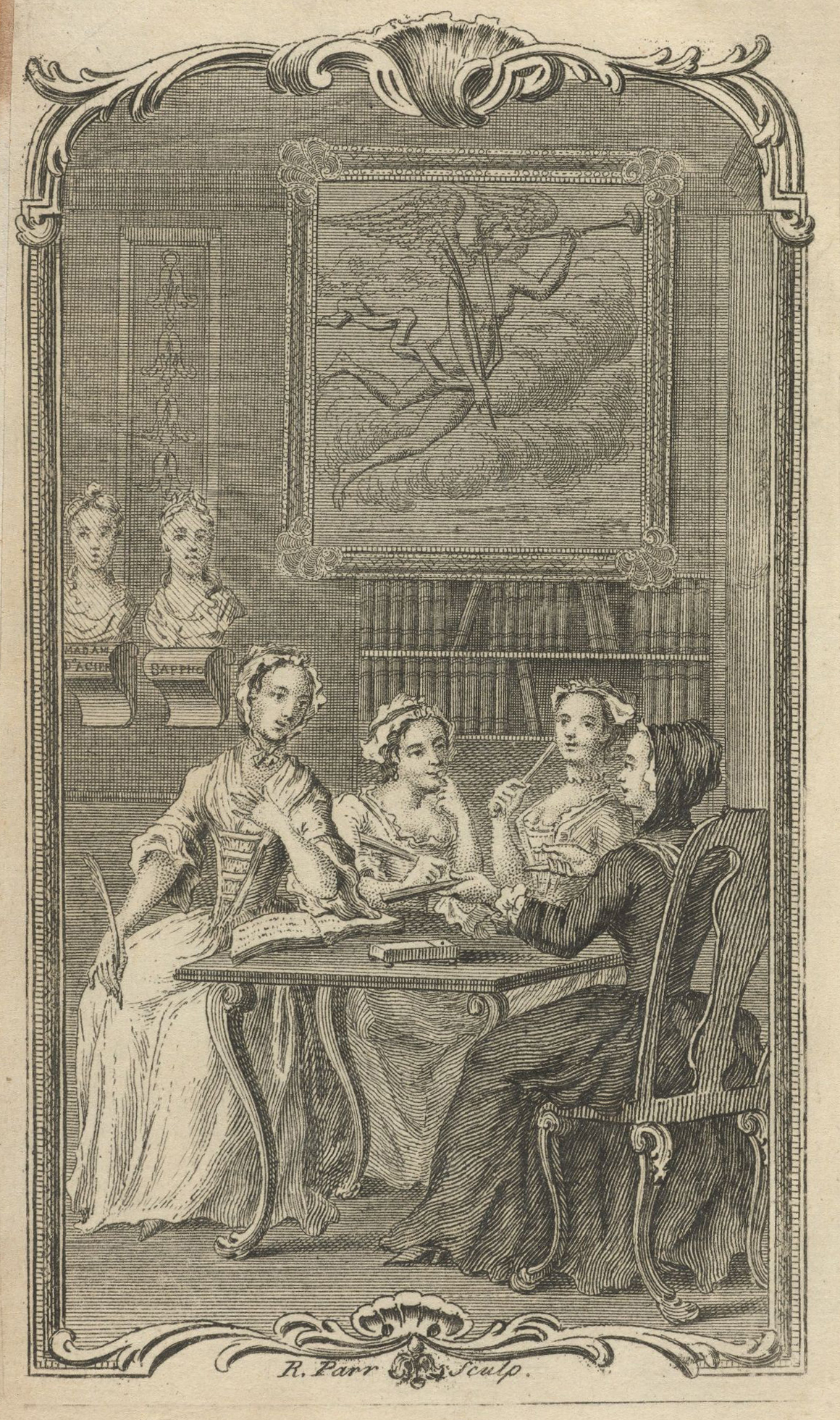
The Female Spectator, widely accepted as the first periodical written solely for women, was first published. Incidentally, it ran for 24 issues, longer than much of its competition at the time.
Published by Eliza Haywood, The Female Spectator covered topics like love, marriage and morality through narratives told by four distinct characters: The Female Spectator, Euphrosine, Mira, and the “Widow of Quality.”
The periodical blended essays, stories, and reflections, creating a space where women’s experiences were not just acknowledged but analyzed. It was one of the first periodicals written and published by women for women.
And that’s pretty radical.
Grab the Delorean, head back to 1744, and look up to the night sky.
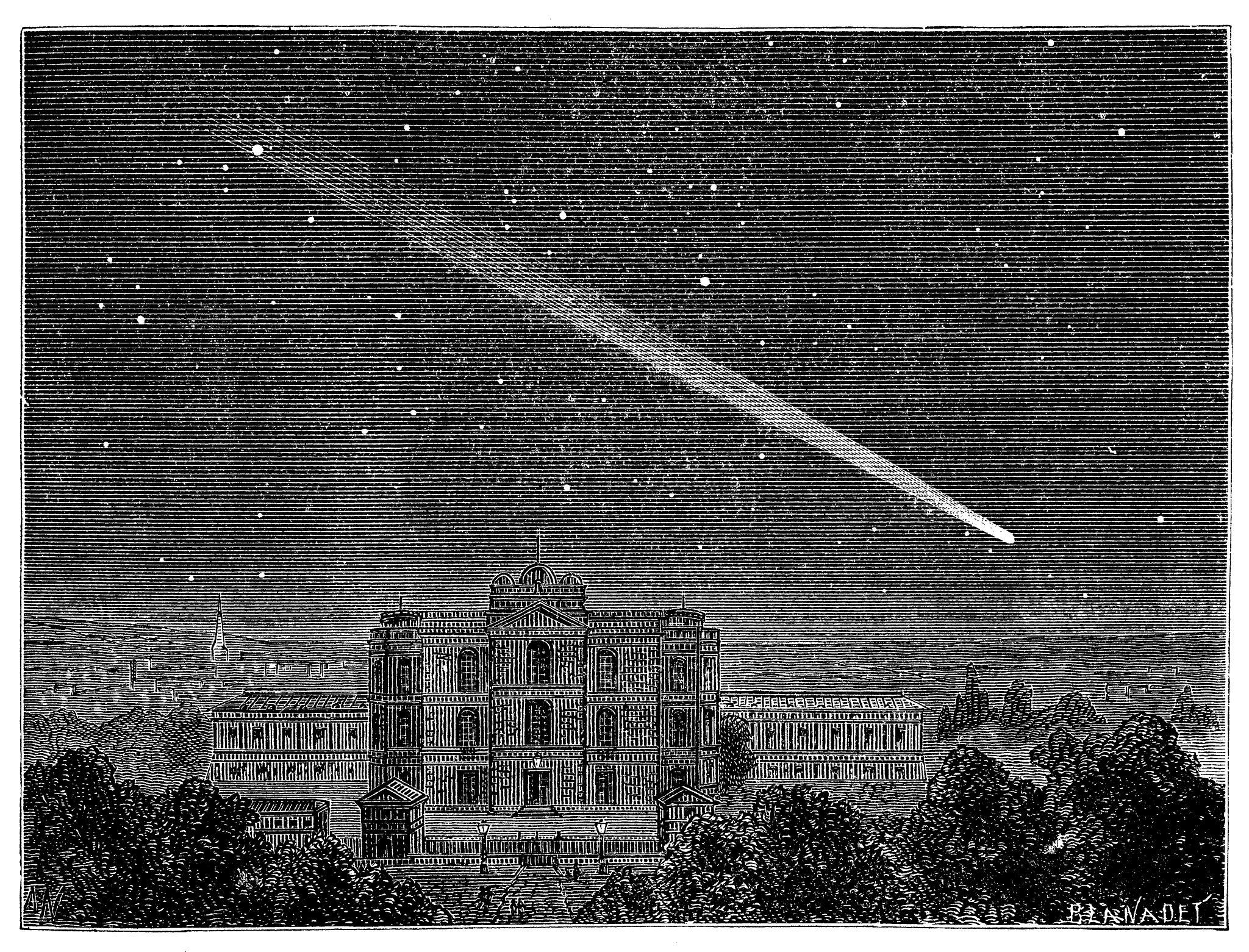
Take in the majesty of The Great Comet of 1744 as it blazes a trail across the sky. Supposedly, the six-tailed glow was bright enough to be seen even during the day.
People across Europe, Asia, and North America reported seeing the comet, albeit with some mixed reviews. Awe, excitement, and more than a little fair. But that’s to be expected when a comet looks like it’s approaching the sun.
Some believed it was a divine message. Others took it as a bad omen. Scientists, meanwhile, scrambled to study it, sketching detailed drawings and debating what exactly they were witnessing.
The Great Comet had a profound impact. A 13-year-old Charles Messier reportedly saw the comet, and he went on to become one of the founding figures of modern astrology.
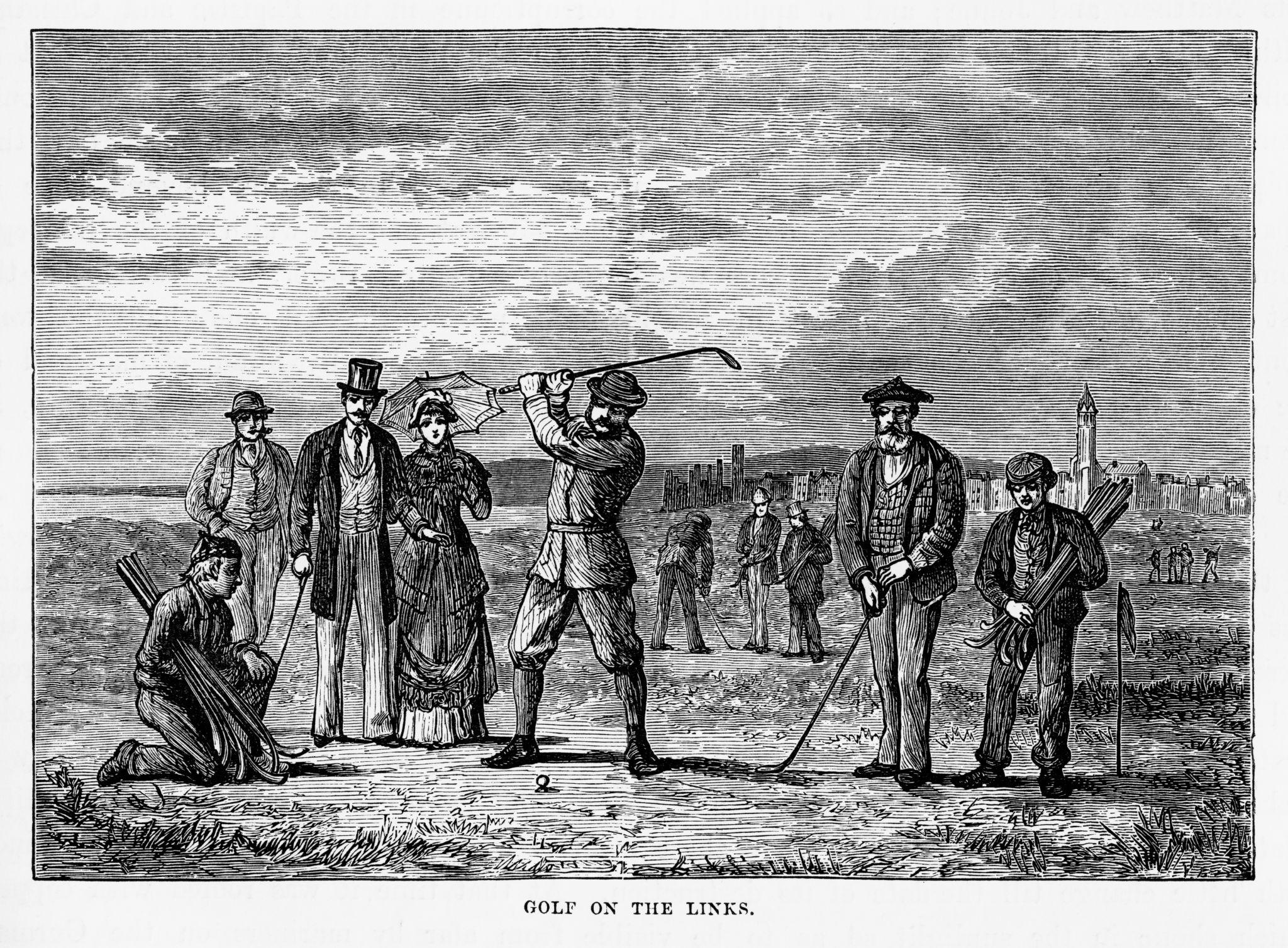
Perhaps the most important of the accomplishments and news stories — according only to Zach — is that golf finally got a rule book. On the grounds of Leith Links in Scotland, the rules of golf were written down for the very first time.
Prior to the Gentlemen Golfers of Edinburgh putting pen to paper, golf existed as a gentleman’s agreement. The newly written rules—thirteen in total—laid out the basics: how to tee off, what counted as a penalty, and what absolutely did not fly on the course.
What’s fascinating is how many of those early principles still apply to the modern game. Equipment, courses, and (of course) the fashion evolved, the core spirit of fairness and consistency was already there.
There was plenty more going on, too.
Like every other year, 1744 was a long one. Roughly 365 days, if we’re not mistaken. But if we were around back then, these are definitely the stories we’d be covering.

Proudly Based in
Evanston, IL
1744 Oak Avenue
Evanston, IL 60201


